
HVAC Duct Cleaning in Wellington After Mold Was Found in the Air System
Rescue Clean 911 recently completed a scheduled HVAC duct cleaning project for a homeowner in the Grand Isles community of Wellington, Florida. The homeowner had concerns about poor indoor air quality, ongoing respiratory irritation, and contaminants potentially circulating through the home’s air-conditioning system.
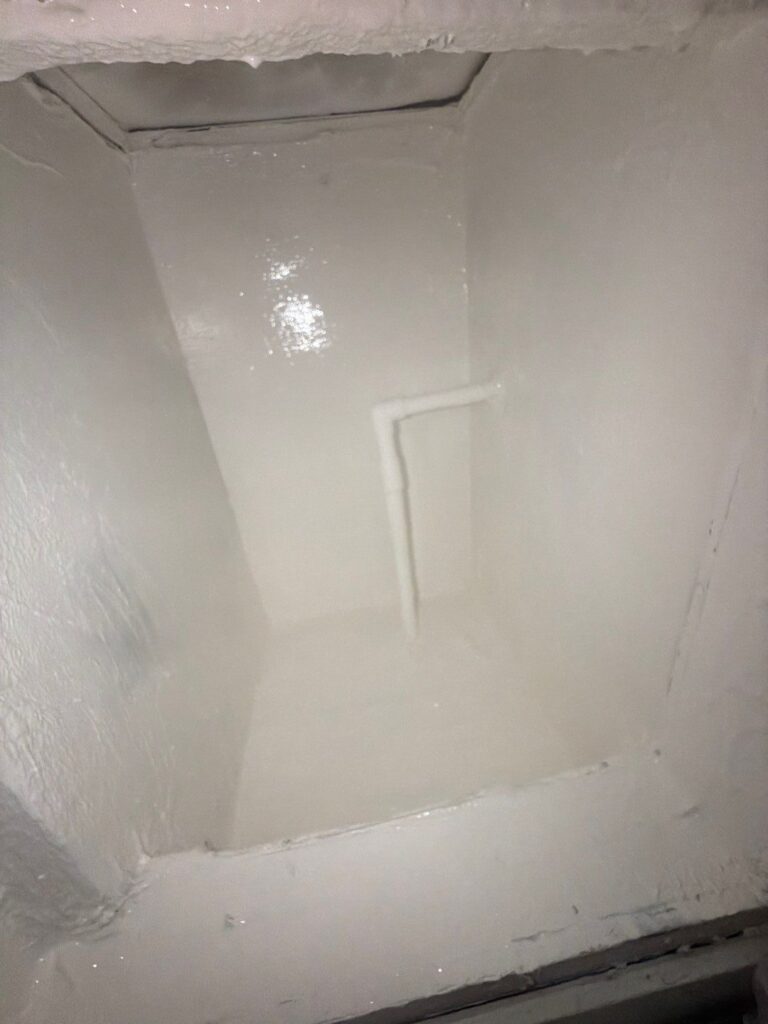
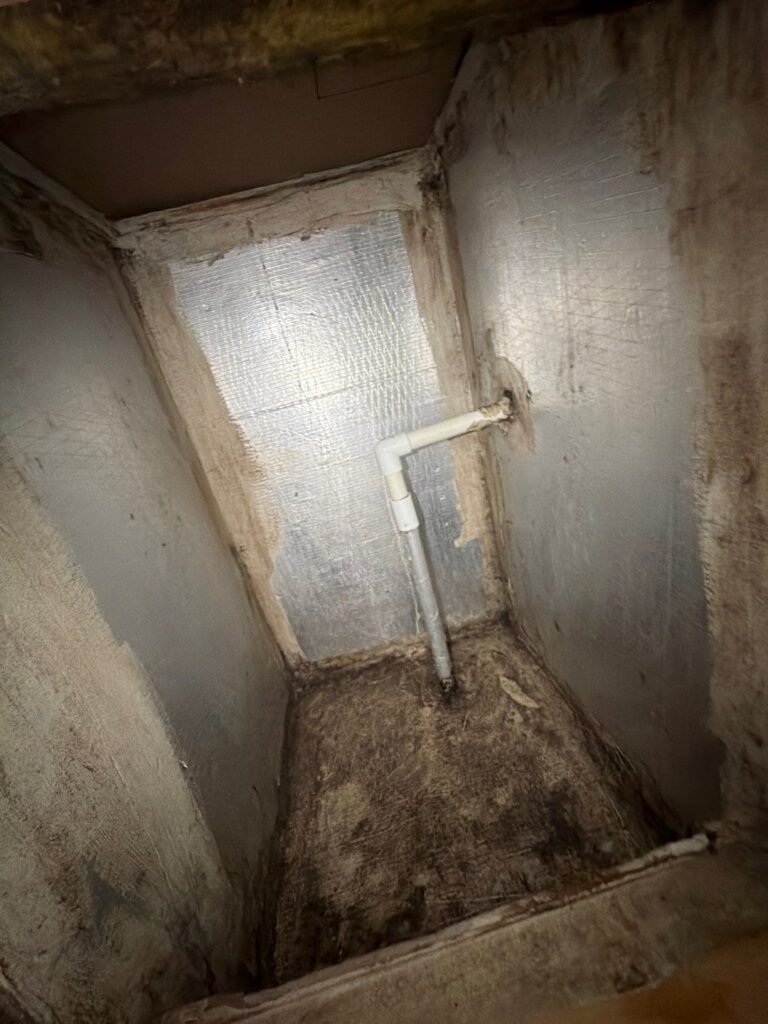
During the initial HVAC inspection, the Rescue Clean 911 team discovered significant mold contamination inside the air handler, lower plenum, and main duct trunk lines. The system required a detailed cleaning process to remove accumulated contaminants, clean the individual supply vents, and treat the affected ductwork.
The entire HVAC duct cleaning project was completed in one day.
Wellington HVAC Duct Cleaning Project Overview
Service Provided: HVAC Air Duct Cleaning
Location: Grand Isles in Wellington, Florida
Property Type: Residential home
Reason for Service: Poor indoor air quality and respiratory irritation
Conditions Discovered: Mold contamination inside the HVAC system
Areas Affected: Air handler, lower plenum, main trunk lines, and supply vents
Project Timeline: One day
Payment Method: Out of pocket
Mold Contamination Discovered Inside the HVAC System
The project began with an inspection of the home’s HVAC system to identify possible sources of the homeowner’s indoor air quality concerns.
During the inspection, Rescue Clean 911 discovered visible contamination inside several important parts of the system, including the air handler, lower plenum, and main duct trunk lines. Because these components distribute conditioned air throughout the home, contamination inside the system can potentially spread dust, mold particles, and other debris into multiple rooms.
This made it important to clean more than the visible vents. The project required a complete system-focused approach that addressed the air handler, ductwork, trunk lines, and individual supply openings.
Protecting the Home Before Duct Cleaning Began
Every Rescue Clean 911 HVAC duct cleaning project begins with protecting the customer’s property.
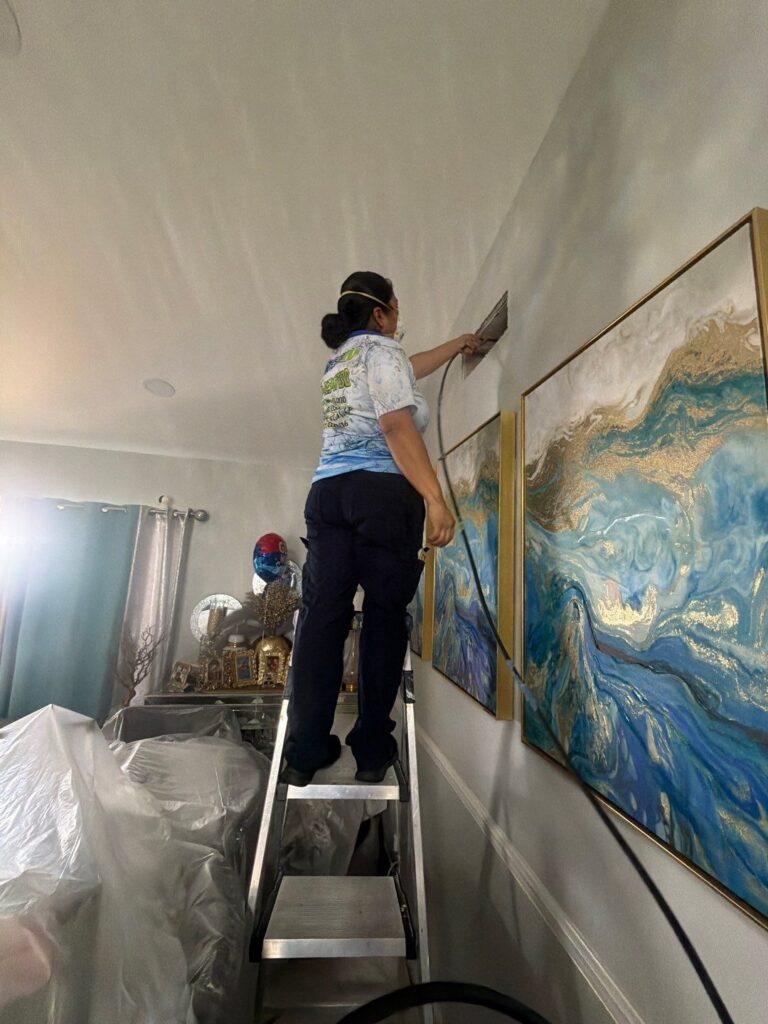
Before connecting equipment or cleaning the system, technicians carefully covered nearby furniture, flooring, and work areas with protective plastic. This helped prevent loosened dust and debris from settling onto the homeowner’s belongings during the cleaning process.
The work area was organized before the system was opened so technicians could move equipment through the home while minimizing disruption and protecting unaffected areas.
Connecting a HEPA-Filtered Negative Air Vacuum
Once the home was protected, Rescue Clean 911 connected a powerful HEPA-filtered negative air vacuum to the HVAC system.
Negative air pressure helps draw loosened dust, debris, and contaminants toward the collection equipment rather than allowing them to spread throughout the home. HEPA filtration is designed to capture very small airborne particles during the cleaning process.
Maintaining controlled airflow was an important part of cleaning the main trunk lines and other internal HVAC components while reducing the risk of cross-contamination.
Cleaning the Main Trunk Lines and Lower Plenum
The primary duct trunk lines carry air from the HVAC system to the smaller supply ducts serving individual rooms. Because contamination was found inside these areas, they were included in the detailed cleaning process.
Rescue Clean 911 technicians cleaned the accessible interior surfaces of the main trunk lines and lower plenum to remove accumulated dust, debris, and mold contamination.
Addressing these central components helped ensure the cleaning was not limited to the vent covers or the portions of ductwork visible from inside the rooms.
Cleaning Every Supply Vent
Each supply vent was professionally cleaned as part of the project.
Vent covers and accessible supply openings can collect dust and debris over time, especially when contamination is present farther inside the HVAC system. Cleaning each vent helped remove buildup at the points where conditioned air enters the living areas of the home.
The technicians worked through the system methodically so that each accessible supply vent received attention during the one-day cleaning process.
Sanitizing and Treating the Ductwork
After the physical cleaning was completed, the affected HVAC surfaces were sanitized and treated with an antimicrobial encapsulating coating designed for use within HVAC systems.
The coating was applied to help seal and protect the treated duct surfaces after the visible contamination and debris had been removed. Using products specifically intended for HVAC applications is important because the treated areas are part of the home’s air-distribution system.
The treatment was one part of a broader process that also included source removal, HEPA-filtered negative air control, detailed vent cleaning, and system sanitation.
Improving Airflow and HVAC Cleanliness
Accumulated dust, debris, and contamination inside an HVAC system can affect the cleanliness of the air moving through the home and may restrict airflow in affected areas.
By cleaning the air handler components, lower plenum, main trunk lines, and individual supply vents, Rescue Clean 911 helped restore a cleaner air-distribution system for the homeowner.
Professional HVAC duct cleaning is not a medical treatment, but removing contaminants from the system can be an important part of addressing musty odors, excessive dust, visible mold, and indoor air quality concerns.
Completed in One Day
Rescue Clean 911 completed the scheduled HVAC duct cleaning project within one day.
The completed scope included:
- Protecting furniture, flooring, and nearby work areas
- Inspecting the HVAC system for visible contamination
- Connecting HEPA-filtered negative air equipment
- Cleaning the air handler and lower plenum
- Cleaning the main duct trunk lines
- Cleaning each accessible supply vent
- Sanitizing the affected HVAC surfaces
- Applying an HVAC-approved antimicrobial encapsulating coating
Completing the work in one coordinated visit allowed the homeowner to quickly return to using a cleaner HVAC system with minimal interruption.
Qualified HVAC Duct Cleaning in Wellington
HVAC duct cleaning should be performed by a company with the training and licensing needed to understand both air-conditioning systems and mold contamination.
Rescue Clean 911 is a licensed Florida HVAC contractor, licensed mold remediation contractor, and NADCA-certified company. These qualifications allow the team to evaluate the HVAC system, recognize potential mold-related concerns, and complete the cleaning using industry-recognized procedures.
The company provides professional residential and commercial duct cleaning throughout Wellington and the surrounding Palm Beach County area.
Signs Your HVAC System May Need Professional Cleaning
A professional HVAC inspection may be recommended when a property owner notices:
- Persistent musty odors when the air conditioner operates
- Visible mold near vents or HVAC components
- Excessive dust returning shortly after cleaning
- Dust or debris blowing from supply vents
- Reduced airflow from certain vents
- Contamination inside the air handler or plenum
- Recent water damage near the HVAC system
- Unexplained indoor air quality concerns
These signs do not always mean mold is present, but an inspection can help determine whether the HVAC system contains buildup or contamination that should be professionally addressed.
HVAC Duct Cleaning Services in Wellington, Florida
Rescue Clean 911 provides professional HVAC air duct cleaning for homeowners and commercial properties throughout Wellington. The company’s cleaning process includes property protection, HEPA-filtered negative air control, detailed duct and vent cleaning, HVAC sanitation, and appropriate antimicrobial treatments when included in the approved scope of work.
Homeowners experiencing musty odors, visible contamination, excessive dust, or concerns about their HVAC system can contact Rescue Clean 911 to schedule a professional inspection.
Other Recent Projects
-
Emergency Flood Damage Cleanup in Boca Raton After a Toilet Supply Line Rupture
Emergency Flood Damage Cleanup in Boca Raton After a Toilet Supply Line Rupture Rescue Clean 911 recently completed a three-day emergency flood damage restoration project for a homeowner in the Colonnade community of Boca Raton, Florida. The water damage began after a toilet supply line suddenly ruptured, releasing water into multiple areas of the home….
-
HVAC Mold Sanitization in Delray Beach for Three A/C Systems
HVAC Mold Sanitization in Delray Beach for Three A/C Systems Rescue Clean 911 recently completed a two-day HVAC mold sanitization project for a homeowner in the Seven Bridges community of Delray Beach, Florida. Visible microbial growth had developed inside all three air-conditioning systems serving the home, creating concerns about musty odors, indoor air quality, and…
-
Mold Remediation in Boynton Beach After a Roof Leak
Mold Remediation in Boynton Beach After a Roof Leak Rescue Clean 911 recently completed a seven-day mold remediation project for a homeowner in the Valencia Reserve community of Boynton Beach, Florida. The project began after a roof leak allowed moisture to enter the home and affect the surrounding building materials. As moisture remained inside the…
-
Mold Remediation in Wellington After a Refrigerator Supply Line Leak
Mold Remediation in Wellington After a Refrigerator Supply Line Leak Rescue Clean 911 recently completed a seven-day mold remediation project for a homeowner in the Black Diamond community of Wellington, Florida. The damage began when a refrigerator water supply line failed, allowing water to spread from the kitchen into other areas of the home. Although…
-
Airbnb HVAC Duct Cleaning in Wellington After Mold and Musty Odors
Airbnb HVAC Duct Cleaning in Wellington After Mold and Musty Odors Rescue Clean 911 recently completed a one-day HVAC duct cleaning and mold remediation project at an Airbnb property in The Isles community of Wellington, Florida. The property owner had been dealing with persistent musty odors and visible mold contamination inside the air-conditioning system. Because…
-
Mold Remediation in Boca Raton After an Upstairs Water Heater Leak
Mold Remediation in Boca Raton After an Upstairs Water Heater Leak Rescue Clean 911 recently completed a planned mold remediation project at a residential property on SE Mizner Boulevard in Boca Raton. The mold growth developed after a ruptured water heater in an upstairs apartment released water into the unit below. The water intrusion affected…