
A Complete Guide on Steps For Mold Remediation
Do you need a complete guide on steps for mold remediation? Mold is a fungus that can be found both indoors and outdoors. When it grows inside, it can cause some health problems.
If you think there might be mold growing in your home, know how to identify mold and what to do if you find it in your home.
Why is it a problem?
Mold can be a problem because it can cause health problems in people who are exposed to it.
To remediate mold, you need to identify the source of the moisture that is promoting the growth of mold and fix that problem. You also need to remove the mold and clean the affected area.
Mold remediation is the process of removing mold from an environment.
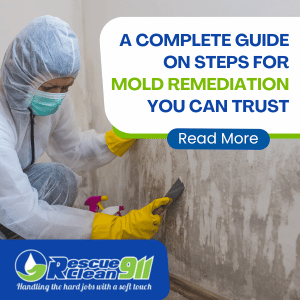 The dangers of mold exposure
Mold can cause a variety of respiratory problems, including:
- Asthma
- Allergies
- Respiratory illnesses
- Infections
- In some cases, death
Take steps for mold remediation as soon as you suspect that there is a problem.
READ: Causes Of Black Mold In Insulation And How to Prevent It
A Complete Guide on Steps for Mold Remediation
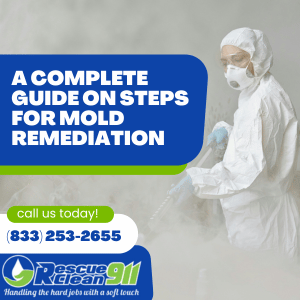 The first step in mold remediation is to identify and remove the source of the moisture that is causing mold growth. Once the source of the moisture has been addressed, the following steps can be taken:
- Remove any visible mold with a damp cloth or sponge.
- Dry the area completely using a fan or dehumidifier.
- Apply a disinfectant to kill any remaining mold spores.
- Seal the area with plastic sheeting to prevent further moisture exposure.
- Monitor the area for any new mold growth and repeat the remediation process if necessary.
Following these steps should help to effectively remediate mold growth in your home. However, if the problem persists or is severe, it is best to consult with a professional mold remediation company.
How to identify mold in your home
If you think you may have a mold problem, start by checking common areas where mold grows, such as:
- bathrooms
- kitchens
- basements
- crawl spaces
Look for signs of water damage, such as wet walls, ceilings, floors, and other moldy surfaces.
READ: What Kills Mold the Best: Sunlight or Bleach?
You can also use a flashlight to look for signs of mold on surfaces. Mold often appears as black, green, or brown spots.
If you find mold in your home, don’t try to remove it yourself. Contact a professional mold remediation company for help.
What To Do If You Find Mold in Your Home
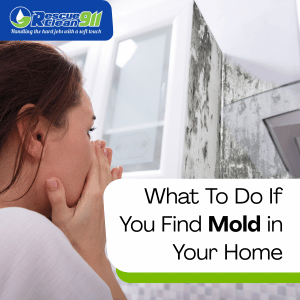 If you find mold in your home, the first thing you should do is call a professional mold remediation company. They will be able to safely remove the mold and help you prevent it from returning.
In the meantime, there are a few things you can do to keep the mold from spreading:
- Open windows and doors to let fresh air into your home.
- If possible, remove any wet or damp items from the affected area.
- Turn off any fans or air conditioners that could spread mold spores.
- Clean any surfaces that have been contaminated with mold.
- Use a dehumidifier to help dry out the area.
You may have just found mold in your home. Don’t panic, there are steps you can take to fix the problem.
If you’re not sure what to do about mold, don’t worry! Rescue Clean 911 is here to help. We offer professional services for removing mold and restoring your home to its original condition.
Our team uses specialized equipment designed to safely remove mold spores and clean contaminated areas. We understand that it’s a stressful situation when you find mold in your home.
READ: What Happens If Mold Is Found During Home Inspection?
That’s why we work quickly and efficiently to get the job done so you can relax and breathe easily again. During the process, we also inspect porous materials that may have absorbed moisture or mold contamination to determine whether they need cleaning or replacement.
Plus, our team of experts will walk you through every step of the process so you know what’s going on every step of the way.
Contact us today for a free consultation!
What NOT To Do If You Find Mold in Your Home
 There are a few things you should avoid doing if you find mold in your home:
- Don’t try to remove the mold yourself. This is best left to a professional for a removal and remediation plan.
- Don’t use bleach to clean mold. Bleach will only kill the surface mold and won’t get rid of the roots.
- Don’t paint over mold. This will only trap the mold inside and make it harder to remove later.
Why Mold Remediation is Important
- Mold remediation can protect your health and your home.
- Mold spores can compromise immune systems and cause respiratory problems.
- If left untreated, the mold can damage your home’s structure.
- Mold removal and remediation prevent new mold spores and their growth.
READ: Mold from Water Damage: What Is It and Why Is It There?
Why Hire a Professional for Mold Remediation?
Mold remediation is a challenging and complex process that should only be completed by trained and experienced professionals.
- Attempting to remove mold on your own can actually make the problem worse by causing the mold to spread further through your home.
- In addition, without the proper equipment and training, you could be exposing yourself and your family to health risks.
- Mold remediation professionals who offer mold remediation services have the experience and expertise necessary to safely and effectively remove mold from your home.
- In addition to having the proper training, they also have access to the latest technology and equipment to ensure that the job is done right.
What Are the Benefits of Hiring a Professional for Mold Remediation?
 There are several benefits of hiring a professional team for mold remediation, including:
- Peace of Mind: Professionals will take care of the problem so you can focus on taking care of yourself and your family.
- Healthier Home: A professional mold remediation job will remove all traces of mold, helping to create a healthier environment for you and your family.
- Cost-Effective: Mold remediation can be expensive, but the cost of not addressing the problem can be even higher.
- Time-Saving: Professionals can complete the job in a fraction of the time it would take you to do it yourself.
- Damage Prevention: Addressing mold growth early on can help to prevent extensive damage to your home.
READ: How Long Mold Does Remediation Take? Factors, Processes, and More
Here are some additional tips for mold remediation
Addressing mold in your home requires more than just cleaning visible spots—it starts with a thorough inspection to identify hidden mold and assess mold-infested materials.
Understanding the different mold species present and their potential health concerns is crucial for protecting your family and improving indoor air quality.
By following proper remediation steps, you can remove mold effectively and maintain a mold-free environment, preventing future growth and safeguarding your home.
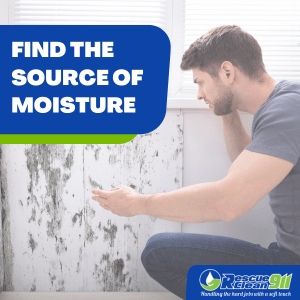 1. Find the source of moisture.
Mold needs moisture to grow, so you’ll need to find and fix the source of the moisture problem. Common sources of water or moisture problems include:
- leaks in roofs
- walls (moldy drywall)
- or pipes
- condensation from high humidity; and
- flooding.
You can also check mold-damaged materials that have a musty odor.
2. Clean up the mold.
Once you’ve found and fixed the source of moisture, you’ll need to clean up the mold. Mold cleanup can be done with a mixture of water and bleach. Be sure to wear gloves and a mask when cleaning mold, and ventilate the area well.
3. Use Proper Personal Protective Equipment (PPE)
Wearing the right personal protective equipment is essential during any mold remediation process. Professionals use items such as gloves, respirators, and protective suits to avoid direct contact with contaminated materials and airborne mold.
This not only protects the workers but also ensures a successful remediation process by preventing the spread of mold spores during cleanup.
READ: Who Pays for Mold Remediation?
4. Dry out the area.
After cleaning up the mold, dry out the area to prevent mold from growing back. Use fans and dehumidifiers to remove moisture from the air. Be sure to repair any leaks or other sources of moisture.
5. Prevent mold from coming back.
Once you’ve remediated the mold problem, you’ll need to take steps to prevent it from coming back. This includes maintaining a low humidity level in your home and repairing any leaks or other sources of moisture. You may also want to consider using mold-resistant products in high-risk areas.
Tips for preventing mold growth
After remediation efforts are complete, taking proactive steps to prevent future mold growth is critical. Regularly check your HVAC system and building materials for signs of moisture or visible mold growth.
 Maintain low humidity levels, ensure good ventilation, and promptly address any water leaks to prevent future mold growth.
- Make sure your home is well-ventilated. This will help to circulate air and reduce humidity levels.
- Clean up any spills or leaks immediately.
- Regularly clean your home, especially areas that are prone to moisture accumulation, such as bathrooms and kitchens.
- Use a dehumidifier to reduce humidity levels in your home.
- Inspect your home for any water damage and repair it as needed.
- If you suspect mold growth, have your home inspected by a professional.
- Regularly check for signs of mold, such as musty odors or visible growth. If you find mold, take action to remove it immediately.
- Be sure to dry wet areas of your home thoroughly to prevent mold growth.
- Store your food in airtight containers to prevent mold spores from contaminating it.
- Keep your home clean and free of clutter to reduce the risk of mold growth.
Performing mold remediation is crucial and needs professionals to do it properly. Removing existing mold in wood surfaces and moldy materials is our expertise.
Call us at 561-782-1392 and schedule your appointment. Our mold remediation experts calculate the extent of the contamination to determine how to approach mold removal and cleanup.
Rescue Clean 911 provides the proper mold remediation for your home. We stop future mold growth with our proven approach to mold removal steps for mold remediation.