
Who Pays for Mold Remediation?
Summary
Who pays for mold remediation depends on the cause of the mold, insurance coverage, and responsibility. Homeowners’ insurance may cover mold remediation if it results from a covered event like sudden water damage, but mold caused by neglect, long-term moisture, or flooding is often excluded.
Property owners are frequently responsible for out-of-pocket costs, though negligent third parties or added insurance riders may help offset mold remediation expenses. Prevention, documentation, and understanding your policy are key.
 Who pays for mold remediation? Insurance policies and the coverage provided for mold remediation vary. Standard homeowner’s insurance policies might offer limited or no coverage for mold damage, often treating it as a maintenance issue that falls under the homeowner’s responsibilities.
Mold can be a concern for any homeowner because of its potential property damage and health risks. It’s commonly found in damp and humid conditions within homes and can cause respiratory problems.
It can also decrease the value of your property, posing a significant issue to not only your health but also to potential buyers. Addressing mold promptly is crucial to lessen these risks. One pressing question always comes up: Who is financially responsible for mold remediation?
Understanding Mold Remediation
Mold remediation is the process of removing and cleaning up mold from an indoor environment, aiming to bring mold levels back to normal, natural levels.
The importance of professional mold remediation services cannot be overstated, especially when dealing with extensive mold growth or dangerous types like black mold.
The remediation process is influenced by factors including the extent of mold damage and the area affected. The process often involves mold assessment, testing, and using specialized equipment to get rid of mold spores.
Who Pays For Mold Remediation and What Can You Do?
Once a professional mold inspection confirms mold growth in your home or business, the next concern is often financial: who pays for mold remediation?
The answer can vary depending on the cause of the mold, your insurance coverage, and whether another party is responsible for the damage. Understanding your options can help you manage mold remediation expenses more effectively.
Insurance Coverage/Company
In many cases, a property owner’s insurance policy may help cover mold remediation projects—but only under specific circumstances. Generally, insurance coverage applies when mold results from a covered peril, such as sudden water damage caused by a burst pipe or a plumbing failure.
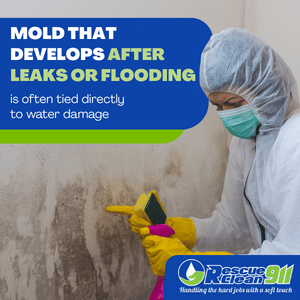
Mold that develops after leaks or flooding is often tied directly to water damage, which is explained in more detail in our guide on mold from water damage.
 For example, if a leaking pipe leads to moisture buildup and mold growth, and your policy includes water damage protection, your insurance company may cover some or all mold removal costs. However, coverage is not guaranteed.
Related:
Many policies exclude mold caused by long-term moisture issues, poor maintenance, or events like sewage backups unless additional coverage is purchased.
It’s also important to note that even when coverage applies, homeowners and business owners are often responsible for:
- Paying a deductible
- Covering a portion of mold remediation expenses if the policy has limits
- Handling repairs not included in the policy, such as restoring materials after professionals repair mold damage
Because mold remediation depends heavily on the cause and extent of the issue, insurance companies may challenge claims. You may need inspection reports, photos, and repair records to prove the mold resulted directly from a covered event.
Related: Brown Mold: What Is it and How Do I Get Rid of It?
Out-of-Pocket Responsibility for Property Owners
As the residential or commercial property owner, you should be prepared to pay at least part of the cost. If your policy excludes mold entirely or only offers limited coverage, you may be responsible for the full scope of the work.
This includes hiring a certified mold remediation company, addressing structural issues, and restoring affected areas. Even when insurance helps, the costs can add up quickly, especially for larger mold remediation projects that require containment, air filtration, and material replacement.
 Negligent Party Is at Fault
In some situations, mold growth may be caused by another party’s negligence. For instance, if a contractor or plumber improperly installs an appliance or fixture, resulting in water leaks and mold development, they may be held financially responsible.
If your insurer denies the claim, you can pursue reimbursement from the negligent party. This may involve filing a claim directly with them or taking legal action if they refuse to cover the mold remediation expenses. While this route can be effective, it may require time and legal support.
Homeowners and Mold Remediation
Homeowners’ insurance policies occasionally cover mold remediation, particularly if the mold results from a “covered peril” like a burst pipe or roof leak. Coverage can vary, with many policies setting specific limits or conditions on mold remediation costs.
It’s crucial to review your insurance coverage details to understand the specifics and know how to file a homeowners’ insurance claim in case the situation arises. Unfortunately, in instances of neglect or unaddressed moisture problems, homeowners will likely find themselves bearing the full cost of mold remediation.
Landlords and Renters
Landlords are generally responsible for maintaining habitable living conditions, which include addressing mold issues. However, tenants might be liable for remediation costs if their actions or inactions, like not using a dehumidifier in humid conditions, lead to mold growth.
In cases like this, communication is key; tenants should report mold immediately to stop the problem from worsening.
Condominiums and Shared Properties
In condominiums, the responsibility for mold remediation can get complicated. The documents and association policies that govern the complex play the biggest role in determining who pays for what. It’s highly recommended to review these policies before an issue arises so that you can be prepared in case it’s ever needed.
Insurance Policies and Additional Coverage
Insurance policies and the coverage provided for mold remediation vary. Standard homeowner’s insurance policies might offer limited or no coverage for mold damage, often treating it as a maintenance issue that falls under the homeowner’s responsibilities.
This is particularly true for mold problems that arise over time due to persistent moisture, leaks, or humidity.
However, when mold results from a covered peril—such as water damage from a burst pipe or a roof leak that is promptly reported—homeowner’s insurance may cover the mold remediation cost.
 Flood Insurance and Mold
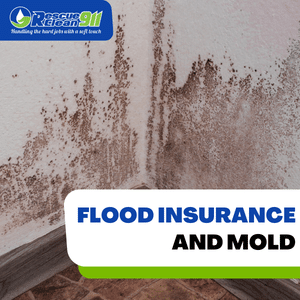
Flood insurance is a unique case. Standard homeowner’s policies typically do not cover flood damage, including related mold issues. Homeowners should purchase separate flood insurance policies, which are available through the National Flood Insurance Program (NFIP) or private insurers, for protection against floods.
If mold growth results from a flood covered by such a policy, mold remediation may also be covered. However, the coverage may depend on the timely reporting and remediation of flood damage to prevent mold growth.
Related: What Kills Mold the Best: Sunlight or Bleach?
Riders and Add-ons for Mold Coverage
Homeowners concerned about mold remediation costs should consider additional coverage options, given the limitations of standard policies regarding mold.
Insurance companies offer riders or add-ons for mold damage, which can expand coverage beyond the constraints of a standard policy.
These add-ons can cover the costs of mold remediation up to a certain limit, which can be a valuable investment for properties with areas prone to mold problems, like crawlspaces and basements.
Navigating Mold Remediation Claims
Documentation is essential if you need to file a claim for mold removal and remediation. Photographs, detailed notes, and clear communication with your insurance company can aid in the claims process.
Should your claim be denied or only partially covered, understanding the reason and knowing your options is vital and comes with thorough research.
Other Relevant Insurance Considerations
- Mold Remediation Cost Limits: Some policies or riders that cover mold remediation set specific cost limits– understand these limits to gauge whether they fully cover potential mold remediation needs.
- Deductibles: Policies covering mold might have a separate deductible for mold claims, which can be higher than the standard deductible – know the deductible amounts for financial planning reasons.
- Preventive Measures and Maintenance: Insurance might not cover mold damage resulting from neglect or failure to maintain the property. Homeowners should keep their homes well-maintained and promptly address water leaks or humidity issues to ensure coverage eligibility.
- Professional Assistance: Consulting with an insurance agent or a property insurance specialist can clarify the best strategies for securing mold coverage. They can offer insights into the policies, riders, or add-ons that best fit your needs and property risks.
Preventing Mold Growth
Prevention is the best strategy against mold. Ensuring good ventilation, controlling humidity levels, and promptly addressing water damage can significantly reduce the risk of mold growth.
Reducing indoor humidity by venting bathrooms, dryers, and other moisture-generating sources is good practice, along with preventing condensation on cold surfaces (piping, windows, walls, etc). Regular mold inspections can also help catch and address moisture problems early.
Since moisture control is essential for prevention, see our tips on reducing mold risk in our guide on How to Detect Mold in Walls.
Frequently Asked Questions
You might have additional questions. Let’s answer them
Mold remediation cost
Mold remediation typically costs around $2,400, but extensive mold issues can push the total price into the several-thousand-dollar range or higher.
Whose responsibility is it to treat mold?
Responsibility for treating mold usually falls on the property owner, whether it’s a homeowner or a commercial building owner. If the mold is caused by poor maintenance, long-term moisture issues, or humidity problems, the owner is typically responsible for addressing it.
When should you walk away from a house with mold?
You may want to walk away from a house if mold damage is extensive, hidden within walls or HVAC systems, or caused by unresolved moisture issues such as foundation leaks or chronic flooding.
If inspections reveal widespread contamination and the seller is unwilling to address repairs or reduce the price, the long-term health risks and repair costs may outweigh the benefits of purchasing the property.
Is mold covered by home insurance?
Mold is sometimes covered by homeowners’ insurance, but only when it results from a covered event, such as sudden water damage from a burst pipe or appliance failure. Mold caused by ongoing leaks, high humidity, flooding, or neglect is usually excluded. Coverage limits and exclusions vary by policy, so reviewing your insurance terms is essential.
Is mold exposure covered by insurance?
In most cases, health issues related to mold exposure are not covered by homeowners’ insurance. Some health insurance plans may cover medical treatment related to mold exposure, but liability coverage for mold-related illness claims is often limited or excluded. If exposure occurs due to a covered incident, limited exceptions may apply, depending on the policy.
Let Rescue Clean 911 Be Your Go-To for Resources and Remediation!
Navigating the complexities of a mold infestation in your home can be daunting. Understanding your insurance policy and recognizing the importance of regular maintenance are critical steps in mold prevention. When mold makes an unwelcome appearance, time is of the essence.
Quick action helps mitigate health risks associated with mold exposure and helps limit the extent of the damage and, potentially, the costs of remediation.
Let Rescue Clean 911 be your ally. Our expertise in mold remediation comes with a deep understanding of various types of mold and the most effective strategies for removal and prevention.
We offer resources that can help you identify potential mold problems, understand the risks, and take preliminary steps toward mitigation.