
Can Water Damage Lead to Mold? What Property Owners Should Watch For
Yes, water damage can create conditions for mold when materials remain damp or moisture goes undetected. Removing standing water is an important first step, but it does not necessarily mean that flooring, drywall, cabinets and other affected materials are completely dry.
A supply-line break, appliance leak or roof intrusion can move water beneath surfaces and into enclosed spaces. Knowing where moisture may remain, and recognizing the signs that a room has not dried properly, can help you decide when the problem needs a closer look.
How Water Damage Creates Conditions for Mold
Mold needs moisture and a suitable material on which to grow. Drywall paper, wood, insulation, fabrics and other porous materials can absorb water, even when the exposed surface begins to look or feel dry.
Water damage does not automatically mean mold is present. The greater concern is moisture that remains trapped, returns because the source has not been corrected or cannot evaporate effectively from an enclosed area.
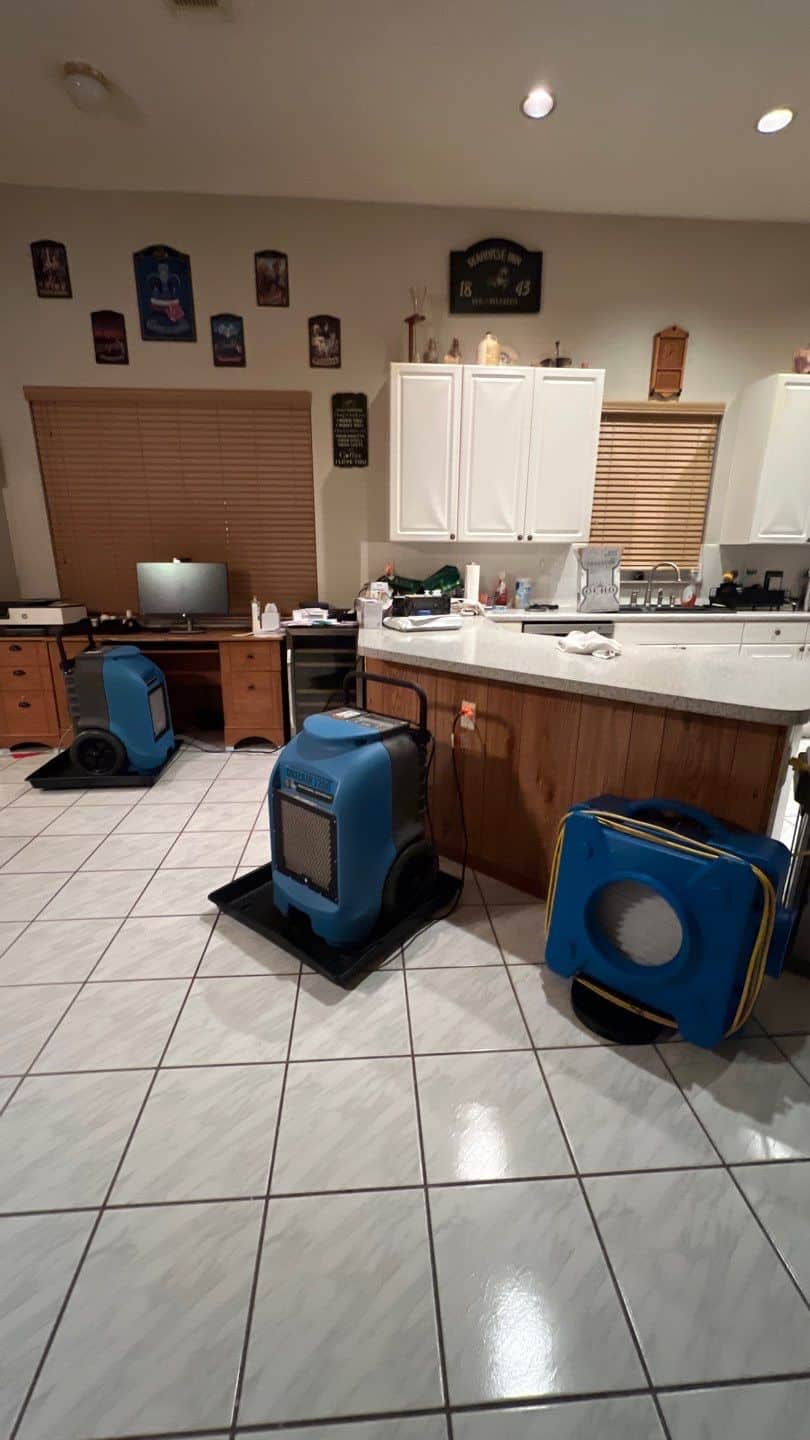
This is why Water Damage Restoration may involve more than removing visible water. Depending on the conditions, Rescue Clean 911 projects have included water extraction, moisture detection, commercial dehumidification, air movement, structural drying, moisture monitoring and selective removal of materials that could not be salvaged. Not every property requires every method.
Warning Signs That Moisture May Still Be Present
Some moisture problems are obvious. Others become noticeable only after odors, stains or changes in the affected materials develop. No single sign reveals the full extent of a problem, but these conditions can justify further evaluation:
- A persistent musty odor: A damp or musty smell that returns after the room has been aired out may point to lingering moisture or microbial growth in a concealed area.
- New or expanding stains: Discoloration on a wall, ceiling or trim can indicate a past leak, an active leak or water that traveled beyond the area where it was first noticed.
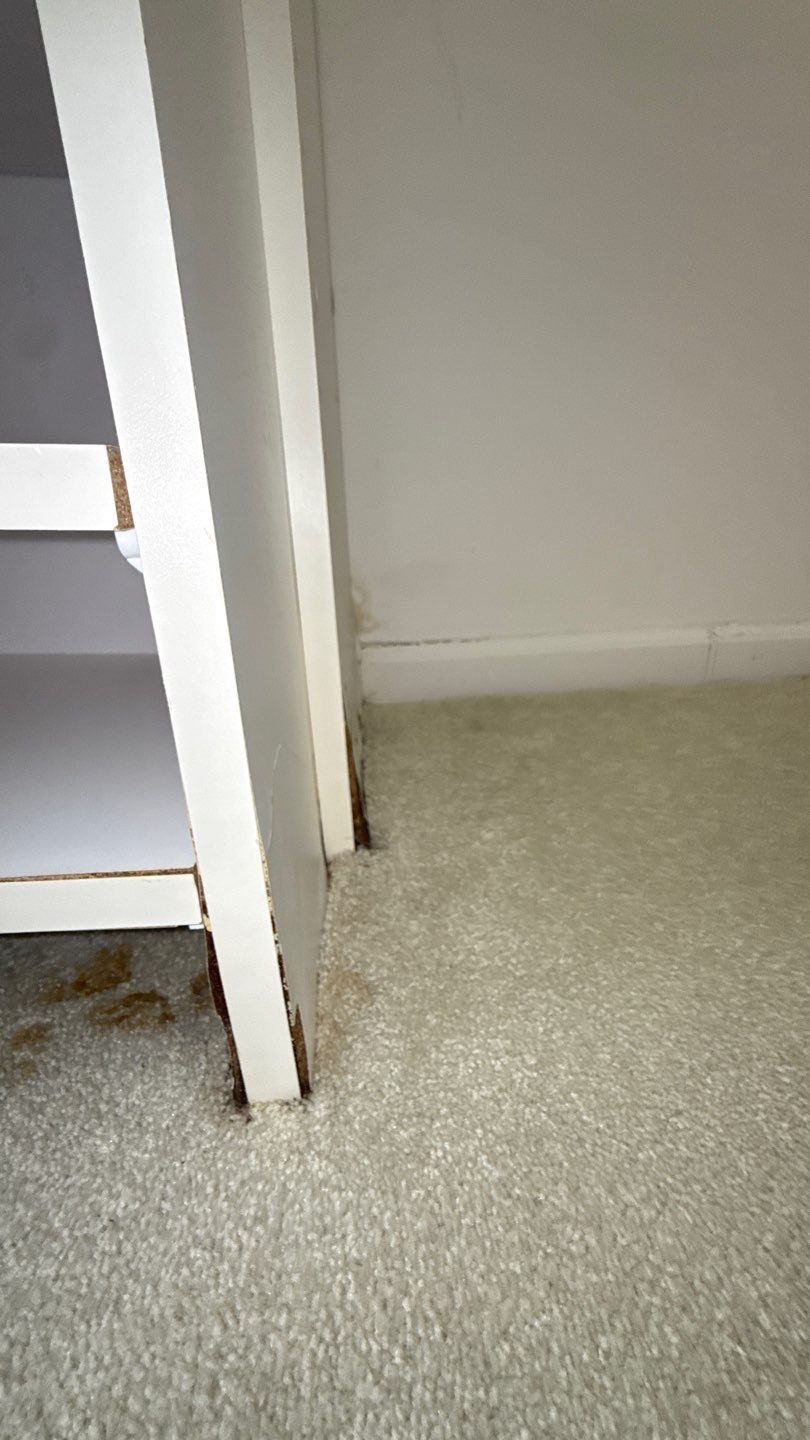
- Swollen, soft or warped materials: Drywall may soften, flooring may lift and wood or composite materials may swell after absorbing water. Paint may also bubble or peel as moisture affects the material underneath.
- Visible spots or patches: Mold-like growth on walls, ceilings, furnishings or other materials should not be scraped, sanded or aggressively disturbed. Surface cleaning alone may not address growth within porous materials or the moisture source behind it.
- Dampness that keeps returning: Recurring condensation, damp surfaces or a room that does not dry normally may indicate an unresolved leak, elevated humidity or concealed moisture.
- Changes around cabinets and fixtures: Water from plumbing fixtures, supply lines and appliances can migrate beneath cabinets, behind baseboards or under nearby flooring.
Odor or discoloration alone cannot identify the cause. The important question is whether moisture remains and, if it does, where it is coming from.
What to Do After Discovering Water Damage
If you can reach the source without entering standing water or approaching an electrical or structural hazard, shut off the affected fixture or water supply. Plumbing, roofing or appliance repairs may require the appropriate trade professional.
Next, record what happened. Photograph visible damage and note when you discovered the water, its apparent source and which rooms or materials were affected. Rescue Clean 911 has documented experience with insurance-related restoration projects, but coverage and claim outcomes depend on the policy and carrier. Clear records can still help explain the event to restoration professionals and an insurance representative.
Do not rely on appearance alone when deciding whether an area is dry. A floor or wall may feel dry at the surface while moisture remains underneath or inside the assembly. Moving furniture back, closing an area or painting over a stain before drying is confirmed can conceal an unresolved problem.
If visible mold-like growth is present, avoid sanding or aggressively cleaning the affected material. The appropriate response depends on the material involved, the apparent extent of the condition and whether the original moisture source has been corrected.
Why Hidden Moisture Changes the Restoration Plan
A published Rescue Clean 911 project involving a ruptured toilet supply line in Boca Raton illustrates why moisture inspection matters after the standing water is gone. On that property, the team protected belongings, extracted water, inspected for hidden moisture, placed commercial drying equipment and monitored the drying process. Mitigation and drying were completed over three days for that specific loss, though equipment needs and timelines can differ from one property to another.
Another published project involved mold remediation in Wellington after a refrigerator supply-line leak. That experience shows how an appliance-related water event and a later mold concern can become connected when affected areas require more than surface-level attention.
These examples also show why the original source matters. Drying an affected area without resolving a leaking supply line, appliance connection or roof opening leaves the property vulnerable to repeated wetting.
Water Restoration and Mold Remediation Solve Different Problems
Water mitigation focuses on controlling the water loss and drying affected materials when they can be saved. Mold remediation addresses affected materials and contamination based on the conditions found at the property. When both water damage and mold are involved, correcting the moisture source remains essential.
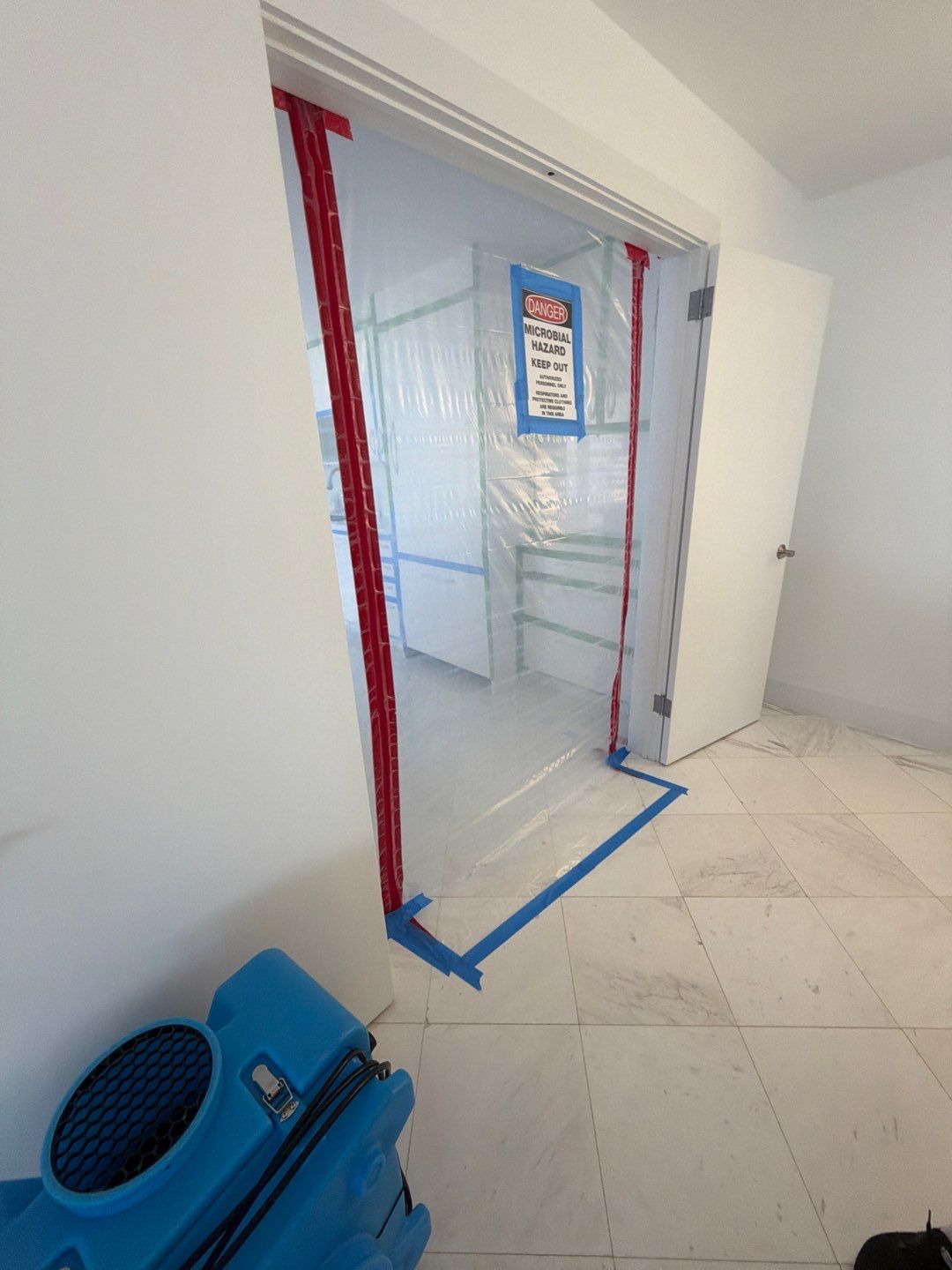
On completed Rescue Clean 911 mold projects, methods have included containment barriers, HEPA-filtered negative air or air scrubbers, commercial dehumidification, moisture investigation, cleaning and controlled removal of contaminated materials. These are condition-dependent examples rather than a fixed process used at every property.
Professional evaluation may be appropriate when the water reached concealed areas, affected materials remain damp or distorted, musty odors persist, visible growth appears or the moisture source cannot be identified. The Mold Remediation service page explains more about addressing suspected mold conditions.
When to Ask for Help
The goal after water damage is not simply to remove what can be seen. It is to understand where the water traveled, confirm how affected materials are drying and address any material that cannot be safely retained.
If you are concerned about lingering moisture or possible mold following a leak or other water event, call Rescue Clean 911 at +1 (561) 425-6700 or use the linked Contact Us page to discuss the property and an appropriate next step.