
What Happens If Mold Is Found During Home Inspection?
Summary
If mold is found during a home inspection, the inspector will document it and may recommend mold testing. Mold doesn’t automatically stop a home sale, but it can affect negotiations, costs, and timelines.
Minor mold issues are often manageable, while extensive or toxic mold may require professional remediation. Acting quickly helps protect your health, indoor air quality, and your investment.
What happens if mold is found during home inspection? When mold is found during a home inspection, it can certainly impact the home buying process.
Mold can lead to serious health risks, including respiratory problems, especially for individuals with weakened immune systems.
If there is evidence of mold, the inspector may recommend mold testing, which may involve collecting an air sample to assess indoor air quality and identify the type of mold present.
What Happens If Mold Is Found During Home Inspection?
 When mold is found during a home inspection, several things typically happen:
- The inspector documents the location and visible extent of the mold damage
- The inspector may note conditions where mold thrives, such as damp areas or high humidity
- The buyer is advised to seek professional help for further testing or remediation
A home inspection itself does not pass or fail a property, but mold findings can significantly affect the home-buying process.
Whether the situation becomes a deal breaker depends on the severity of the mold infestation, the area affected, and how willing the buyer and seller are to address the issue.
Why Mold Is Commonly Found During a Home Inspection
A home inspector typically performs a visual inspection of accessible areas in the house, looking for signs of water damage, moisture buildup, and mold growth. Mold thrives in damp areas such as basements, bathrooms, attics, crawl spaces, behind walls, and near plumbing fixtures. Homes with water leaks, poor drainage, or improper ventilation are especially vulnerable.
 In climates with high humidity, mold spores spread quickly and can begin growing within 24 to 48 hours of moisture exposure. Mold in a home is often the result of unresolved moisture problems rather than poor housekeeping.
When a home inspector finds mold or suspects mold is present, they may recommend further evaluation by a certified mold inspector to safely identify mold types and determine the extent of the mold infestation.
If mold is suspected or confirmed during a home inspection, getting clarity fast matters. A professional mold inspection company can determine how serious the issue is, what areas are affected, and whether remediation is needed before moving forward.
Schedule a professional mold inspection to protect your health and your investment!
Types of Mold Commonly Found in Homes
Not all mold is dangerous, but all mold should be taken seriously. Common mold types include:
- Cladosporium – Often found on walls and HVAC systems
- Aspergillus – Common indoors and associated with allergic reactions
- Penicillium – Found in water-damaged buildings
- Stachybotrys chartarum – Commonly known as black mold, considered highly toxic
Black mold and extensive mold growth raise red flags due to potential health effects and structural damage. A mold inspector can determine mold types through sampling and analysis.
Find out more: What Kills Mold the Best: Sunlight or Bleach?
What to Do If Mold Is Found During a Home Inspection
If mold is discovered during a home inspection, both the buyer and the seller must take immediate action. For potential buyers, the presence of mold can be a significant concern, but it doesn’t have to be a deal-breaker. Here are the steps you should consider:
Discuss with Your Real Estate Agent
Your real estate agent can help you understand the implications of the mold discovery. They can also assist in negotiating with the seller to address the mold issue, either by reducing the asking price or requiring the seller to complete mold remediation before the sale is finalized.
 Request a Detailed Report
Ensure that the inspector provides a detailed report of their findings. This report should include information about the type of mold (i.e., Sachybotrys chartarum, commonly known as black mold), the extent of the mold infestation, and recommendations for remediation.
Consider Mold Remediation
Mold remediation is the process of removing and cleaning mold-contaminated areas. Depending on the severity of the mold problem, this could be a relatively simple process or require extensive work.
It’s crucial to work with a reputable mold remediation company to ensure the mold is thoroughly removed and that steps are taken to prevent future mold growth.
Evaluate the Mold Inspection Cost
The cost of a mold inspection and subsequent mold remediation can vary depending on the size of the area affected (often measured in square feet) and the extent of the contamination. It’s important to factor in these costs when deciding whether to proceed with the purchase.
For sellers, discovering mold during a home inspection means addressing the problem promptly. If mold is found, it’s usually in the seller’s best interest to resolve the issue before listing the property or before the sale is completed. This can help avoid complications and ensure a smoother transaction with the potential buyer.
Health Risks Associated With Mold Exposure
 Mold exposure can cause a wide range of health problems, particularly for individuals with weakened immune systems, asthma, or allergies. Health risks may include:
- Respiratory problems such as coughing, wheezing, and shortness of breath
- Skin irritation and rashes
- Allergic reactions, including sneezing, itchy eyes, and congestion
- Headaches and fatigue
- Worsening of existing health issues
In extreme cases, prolonged exposure to highly toxic mold may lead to serious health effects. Mold spores in the air negatively impact indoor air quality and overall air quality, making professional remediation essential.
Who Pays for Mold Remediation?
So, who pays for mold remediation? Responsibility for mold remediation often depends on the contract and negotiation process. Common outcomes include:
- Seller completes mold remediation before closing
- Seller provides a credit toward remediation costs
- Buyer accepts responsibility in exchange for a lower purchase price
Federal laws and state disclosure requirements may require sellers to disclose known mold issues. Failure to do so can delay or jeopardize a home sale.
Can Mold Be a Deal Breaker When Buying a House?
Finding mold does not automatically mean you should walk away from the house. Many mold issues are manageable with proper remediation. However, mold may become a deal breaker if:
- There is extensive mold growth throughout the home
- The mold problem is linked to unresolved structural damage
- Remediation costs are excessive
- The seller refuses to address the issue
A real estate agent plays a key role in negotiating repairs, remediation credits, or price reductions. In many cases, buyers can move forward once a reputable remediation company resolves the issue.
Talk to a professional mold remediation company about safe, effective solutions.
Understanding the Mold Inspection Process
A mold inspection is essential to any thorough home inspection. During this process, a mold inspector will conduct a visual inspection of the property to look for signs of mold growth, moisture problems, and potential areas where mold spores might thrive.
 If there is an indication of mold, the inspector may recommend mold testing, which could involve taking an air sample to assess the indoor air quality and identify the type of mold present.
Mold inspections are particularly important in areas with high humidity or where there has been previous water damage.
Mold growth often occurs in damp or poorly ventilated areas, such as basements, bathrooms, and attics. The mold inspector will also examine less visible areas, such as behind walls or under flooring, where mold might be hiding.
A detailed report is typically provided after the inspection, outlining the presence of mold, the extent of the mold contamination, and recommendations for mold remediation. This report is essential for both the buyer and the seller, as it documents the mold issue and provides a basis for any necessary repairs or negotiations.
Find out more here: How Long Mold Does Remediation Take? Factors, Processes, and More
Mold Remediation and Its Importance
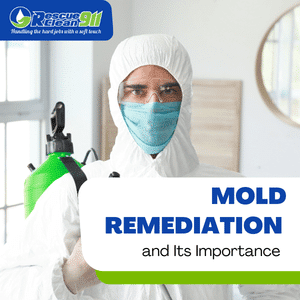 Mold remediation is not just about removing the visible mold; it’s about addressing the underlying moisture problem that caused the mold growth in the first place.
Mold can cause serious health issues, particularly toxic mold varieties that can lead to respiratory issues and weakened immune systems.
A professional mold remediation company will not only remove the existing mold but also take steps to prevent future mold growth. This might involve fixing leaks, improving ventilation, or installing dehumidifiers to reduce humidity levels.
Proper mold remediation ensures that the indoor air quality is restored to a safe level, reducing the risk of mold exposure and protecting the health of the home’s occupants.
It’s important to note that attempting mold removal on your own can be risky and ineffective, especially with larger infestations. Professional mold remediation companies have the necessary equipment and expertise to handle the job safely and effectively.
DIY Mold Removal vs. Professional Mold Remediation
Small surface mold may seem manageable with household cleaning products, but DIY efforts often fail to address hidden mold or airborne spores. Improper removal can spread mold and worsen the problem.
A professional remediation company has specialized equipment, protective gear, and training to remove mold safely and effectively. Professional mold remediation is especially necessary in cases of:
- Extensive mold growth
- Black mold
- Mold behind walls or under flooring
- Mold caused by significant water damage
Mold, Structural Damage, and Long-Term Costs
Left untreated, mold damage can compromise walls, flooring, insulation, and framing. Structural damage increases repair costs and can impact resale value. Early remediation is far more cost-effective than waiting until extreme cases develop.
Find out more: What Are the Symptoms of Exposure to Black Mold from Water?
Don’t Let Mold Derail Your Dream Home!
Finding mold during a home inspection can be stressful, but it doesn’t have to derail your dream home. Not all mold issues are catastrophic, and many can be resolved quickly with professional help. The key is to act promptly, understand the risks, and work with qualified professionals.
 If mold is found during a home inspection, consult your real estate agent, obtain a thorough mold inspection, and hire a professional remediation company to eliminate the problem safely and effectively.
Protecting indoor air quality, preventing future mold growth, and ensuring a safe living environment should always be the top priority. So that what happens if mold is found during home inspection.
At Rescue Clean 911, we understand the importance of thorough home inspections and effective mold remediation. Our team of experienced mold inspectors and remediation experts is dedicated to providing the highest level of service to protect your health and investment.
By choosing Rescue Clean 911, you can trust that your mold issues will be handled with care, ensuring a safe and healthy living environment.
When it comes to mold inspections and remediation, don’t take chances. Contact us today to learn more about our services and how we can help you address any mold concerns in your South Florida home.
Frequently Asked Questions About Mold Found During a Home Inspection
Can mold fail a home inspection?
A home inspection itself does not pass or fail a property. However, if a home inspector finds mold, it may trigger additional testing, remediation requirements, or renegotiation during the home buying process.
Is mold a deal breaker when buying a house?
Not always. Minor mold issues are common and often easy to resolve. Mold may become a deal breaker if there is extensive mold growth, structural damage, or the seller refuses to address the problem.
What should I do if mold is found during a home inspection?
If mold is found, review the inspection report, consult your real estate agent, and consider hiring a professional mold inspector. A reputable mold remediation company can safely remove the mold and help prevent future growth.
Can I remove mold myself?
Small surface mold may be cleaned with household products, but DIY mold removal often fails to address hidden mold or airborne mold spores. Improper removal can spread contamination, so professional remediation is recommended for larger or hidden mold problems.
Does mold affect indoor air quality?
Yes. Mold spores can circulate through the air and negatively impact indoor air quality, potentially causing respiratory problems, allergic reactions, and other health issues.
How long does mold remediation take?
Most mold remediation projects take between one and five days, depending on the size of the affected area and the severity of the mold infestation.