Mold on pipes can cause concern for your plumbing systems and entire home. Mold is a fungus that can grow almost anywhere there is moisture and organic matter. Though water pipes don’t have adequate oxygen or food for mold to grow significantly, they do have excess moisture, a dark environment that allows mold to form.
Mold is also often found in damp environments like basements, bathrooms, and kitchens. This is why mold on pipes is a frequent occurrence.
What is mold, and why does it grow on pipes?
 Mold exposure poses a big risk to individuals suffering from mold allergies. It can also cause several health problems, including:
- breathing difficulties
- allergies
- skin irritation
- mold allergies
- lung disease
- and other respiratory conditions
One place where mold often grows is on the inside of pipes. Water can seep into the cracks and crevices in the pipe and create a perfect environment for mold to grow. Mold can cause clogs in the pipes, leading to water damage and even structural damage to the home.
READ: What Are the Symptoms of Exposure to Black Mold from Water?
Mold-contaminated water pipes can cause health issues that you must take care of.
If you suspect mold is growing on your pipes, address the problem immediately. You can use household bleach or vinegar to clean the pipes. Fix any water pipes or leaks that may be causing the moisture problem.
If the mold problem is severe, you may need to call a professional to remove the mold and repair the damage.
How To Identify If You Have Mold on Pipes And Mold Spores
 You likely have a mold problem if you see black, green, or white patches on your pipes. If left untreated, mold growth can cause serious health problems. It will also cause a moldy smell or musty if not removed.
If you have mold on your pipes, clean them immediately. You can use a bleach solution or a commercial mold removal product. Follow the instructions carefully and wear protective gear when handling the mold.
Once the mold is gone, keep the area dry to prevent the mold from returning.
If you think you may have a mold problem, call a professional to have it inspected and treated.
READ: Causes Of Black Mold In Insulation And How to Prevent It
What to do if you have a mold problem?
If you think you may have a mold problem in your home, it is important to take action as soon as possible. Some of the steps you can take include:
 Testing the mold to determine if it is a threat
- Removing the mold and cleaning the affected area
- Preventing future mold growth by making sure the area is well-ventilated and free of moisture
If you have a mold problem, it is best to consult a mold expert or professional before taking action. This will ensure that the problem is properly taken care of and that your home is safe from further mold growth.
Has your home been affected by mold?
Water damage and mold can be a real nightmare. It can cause long-term health problems and serious structural damage to your home. But don’t worry, Rescue Clean 911 is here to help.
We have over 20 years of experience in the restoration industry and we know how to get rid of mold for good. We’ll work quickly and efficiently to get your home back to normal so you can relax and breathe easily again.
Contact us today at 561-782-1392 for a free consultation!
The Dangers Of Mold On Pipes
Mold can potentially cause several health problems, especially for those already susceptible to respiratory problems. It is important to keep an eye out for any signs of mold on pipes and to take action if it is found.
 One of the first things you might notice if there is mold on pipes is a musty smell. It is caused by the release of mold spores into the air. It indicates that the mold has already begun to spread.
If you notice this smell, it is important to investigate further to see if mold is present.
1. Mold can cause many respiratory problems, including difficulty breathing, coughing, and wheezing.
In some cases, it can even lead to pneumonia. If you or anyone in your home begins to experience these symptoms, see a doctor immediately and take steps to remove the mold from your home.
2. Mold can also cause skin irritation and rashes. In some cases, it can even lead to fungal infections.
If you notice any of these symptoms, it is important to take action to remove the mold from your home. Drinking mold-contaminated water may also inflict greater health problems.
It is better to contact Rescue Clean 911 to check if mold grows on your pipes or if you smell mold on them.
READ: What Kills Mold the Best: Sunlight or Bleach?
If you suspect that there is mold on pipes in your home:
- The first thing you should do is to turn off the water supply to the affected area. This will help prevent the mold in your water from spreading.
- Next, you should contact a professional who can assess the situation and determine the best course of action.
- They may recommend that you have the entire system replaced, or they may be able to clean it and seal it so that the mold does not return.
If you have mold on pipes in your home, it is important to take action to remove it as soon as possible. Mold can cause serious health problems and also damage your home. If you suspect that there is mold present, contact a professional to have it removed.
Understanding How Mold Growth Spreads Through Your Plumbing System
 Mold growth can easily spread through your plumbing system if not properly maintained. Moisture, organic matter, and food debris from sinks or dishwashers create the ideal environment for mold spores to thrive.
Over time, mold growth inside pipes and moldy pipes can lead to persistent musty smells, especially around plumbing fixtures and supply lines.
A residential water system that lacks proper ventilation can trap humidity and cause damp surfaces, allowing mold spores to multiply. In homes with plastic pipes or old building materials, this problem can worsen due to condensation and poor air flow.
READ: The Ultimate Guide To Mold: How to Detect Mold in Walls
Routine regular maintenance of your home’s plumbing helps prevent plumbing issues and keeps your system mold-free.
To avoid a serious mold issue, always ensure proper ventilation around crawl spaces, under sinks, and near toilet tanks. Using exhaust fans after showers or dishwashing can help control moisture and discourage mold in your plumbing from taking hold.
How to Prevent Mold Growth
Mold on pipes can be a serious issue, as it can lead to health problems for those living in the home. It is important to take steps to mold prevention growth, including:
- Keeping the humidity level in your home below 50%
- Regularly cleaning surfaces that may be susceptible to mold growth, and
- Repairing any water leaks
If you find mold on your pipes or on a surface, it is essential to clean it immediately and consult a professional if the issue persists. Remove mold as soon as you see it to prevent any further mold danger.
For moldy pipes, scrubbing with baking soda paste and rinsing with boiling water can help dissolve organic materials that feed the mold. Remember that food source residues left inside plastic pipes can accelerate mold growth and lead to frequent clogs or other plumbing problems.
If the mold issue continues despite cleaning, schedule a professional inspection to assess your water system. Experts can identify hidden colonies, disinfect your residential water system, and provide recommendations for regular maintenance to keep everything mold-free.
Protecting Your Home’s Plumbing and Health from Mold Exposure
A home affected by mold in the plumbing can quickly become a health hazard. Long-term exposure to mold spores may trigger respiratory issues and other health symptoms, particularly in individuals sensitive to allergens.
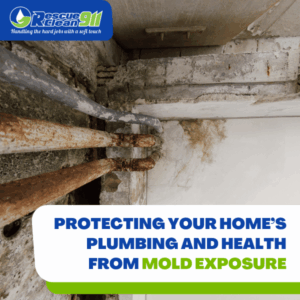
Mold growth on damp surfaces, supply lines, or plumbing fixtures can release particles into your indoor air, affecting your plumbing system and air quality simultaneously.
To safeguard your household, maintain proper ventilation throughout your bathrooms, kitchens, and crawl spaces. Always ensure proper ventilation near areas with plumbing issues or potential leaks.
This limits moisture accumulation and reduces the risk of mold growth inside hidden spaces like toilet tanks or under cabinets.
READ: What Happens If Mold Is Found During Home Inspection?
If you detect common signs such as persistent musty odors, slimy buildup, or stains on building materials, act quickly. Flush drains with hot water, disinfect with white vinegar, and call for a professional inspection if needed.
Timely attention can help prevent plumbing problems, extend the life of your home’s plumbing, and keep your environment clean, healthy, and mold-free.
Bottom Line: Why Does Mold Grow on Pipes?
 Mold can grow on pipes due to a variety of reasons, including water damage, high humidity, and lack of air circulation. If you notice mold growing on your pipes, it’s important to take action right away to prevent the mold from spreading.
Cleaning the mold will require specialized equipment and expertise, so it’s best to call in a professional to get the job done.
- Mold can pose a serious health risk, so it’s important to take action right away if you notice it growing on your pipes.
- Mold spores can cause respiratory problems, allergies, and even infections.
- If you have mold growing on your pipes, it’s best to call in a professional to have it removed.
- Attempting to remove the mold yourself could cause the spores to spread, making the problem worse.
If you think you may have a mold problem, contact a professional mold remediation company right away. They will be able to assess the situation and recommend the best course of action.
It’s Time To Take Action
If you’re seeing mold on pipes, it’s time to take action!
Mold can be a serious issue, and if you see it on your pipes, it’s important to take care of the problem as soon as possible. That’s why we’ve put together this list of tips for dealing with mold on pipes.
You don’t want the mold to worsen, so be sure to follow our tips and address the problem as soon as possible.
Be sure to read our listicle for expert tips on how to deal with mold on pipes.
READ: How Long Mold Does Remediation Take? Factors, Processes, and More
Mold Problems? Need Professional Help?
If you notice green mold or black mold in the water pipes, water lines, sink drain, or filtration system, don’t hesitate to call us.
Contact us at 561-782-1392 for further details. We will also give you advice about the mold prevention method.
Rescue Clean 911 is ready to assist you with mold-related issues. We have a guaranteed method to prevent mold on pipes from coming back.