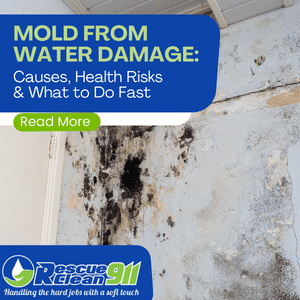
When it comes to maintaining your HVAC system, it’s essential to keep a keen eye on your air vents and air ducts. Mold growth in your air vent, specifically black mold, could be a silent and dangerous culprit lurking in your home.
Not only is it unpleasant to look at, but it can also lead to health problems, including allergic reactions like itchy eyes or respiratory issues.
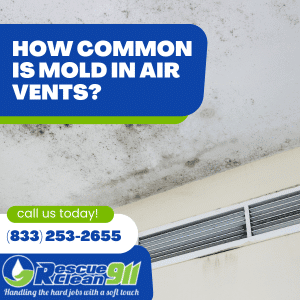 How Common is Mold in Air Vents?
Mold in air vents is fairly uncommon, but there is definitely potential for it to happen. It thrives in damp, dark environments with poor ventilation, like an air duct.
When there’s a temperature difference in the environment, such as from your air conditioner, it causes condensation that promotes mold growth. Regular cleaning and regular maintenance can help prevent this issue.
Home and business owners in certain areas of the country are more likely to find mold growth in their air vents than others. For example, the hot, humid weather conditions of South Florida provide the perfect environment for mold to flourish.
READ: What Kills Mold the Best: Sunlight or Bleach?
Detailed Signs and Symptoms of Mold in Air Vents
Mold creeping into your HVAC system is a subtle invader that leaves specific clues behind. The musty odor in your home is often the first sign, resembling the smell of wet socks or rotten wood. This could be a clear indicator of mold thriving within your air vent or air duct.
A well-functioning HVAC system should circulate fresh and clean air, not a musty smell. An easy way to tell if this odor is coming from your AC unit or not is to see if the strength of the smell increases when you turn on the heat or AC.
The presence of visible mold is another giveaway. Look out for black spots or black dust around your air vents or AC vents. This could appear as tiny specks or as larger patches. Noticing these on your vent indicates a potentially larger mold problem lurking within the vent system.
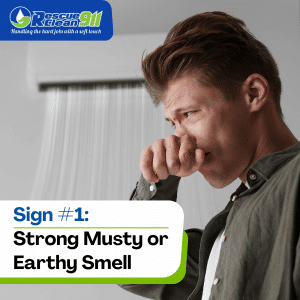 Sign #1: Strong Musty or Earthy Smell
One of the first indicators of a mold area in your HVAC system is a persistent earthy smell that intensifies when your heating or cooling system runs. This distinctive odor comes from microbial volatile organic compounds (MVOCs) released by mold growing in your duct work.
If you suspect mold based on this smell, it’s crucial to investigate immediately, as the odor indicates mold in your air is actively circulating throughout your home.
Sign #2: Visible Black Spots or Discoloration
Check around your air vents for visible signs of contamination. Visible mold growth often appears as black, green, or gray spots or streaks on vent covers, nearby walls, or ceilings.
These visible signs may look like specks of black dust or larger fuzzy patches. Never touch these areas with your bare hands, as disturbing mold can release additional spores into your air and exacerbate the moisture problem.
Sign #3: Increased Allergy Symptoms
If you or your family members experience increased allergy symptoms when spending time at home, it could indicate mold in your air. Common reactions include persistent sneezing, coughing, itchy or watery eyes, and nasal congestion.
These symptoms often worsen when the HVAC system is running, as it circulates mold spores throughout your living space. Pay attention to any physical symptom that seems to improve when you leave home and returns when you come back.
 Sign #4: Respiratory Problems and Breathing Difficulties
More serious health effects include difficulty breathing, wheezing, chest tightness, and chronic cough. These respiratory issues are particularly concerning for individuals with asthma or other pre-existing conditions.
The presence of mold in your air can trigger asthma attacks and worsen existing respiratory conditions. This physical symptom should never be ignored and warrants immediate mold testing and professional inspection.
Sign #5: Unexplained Fatigue and Headaches
Chronic exposure to mold spores can cause persistent fatigue, frequent headaches, difficulty concentrating, and what’s commonly called “brain fog.”
These health effects are often dismissed or attributed to other causes, making them particularly dangerous. If multiple household members experience these symptoms simultaneously, especially when humidity levels are high, it’s a strong indicator that you should suspect mold in your HVAC system.
Sign #6: Excess Moisture and Condensation
Visible signs of moisture around your air vents, such as water stains, rust, or constant condensation, indicate a serious moisture problem. When you notice droplets that never seem to dry completely on or near your vents, it creates the perfect conditions for mold to grow.
This excess moisture, combined with organic material in your ductwork, creates an environment where it’s nearly impossible to prevent mold spores from multiplying.
What Causes Mold to Grow in Air Vents?
Understanding the root causes of mold growth in your HVAC system is essential for effective mold prevention. Several factors create the perfect breeding ground for mold spores to thrive in your ductwork.
 Excess Moisture and High Indoor Humidity
The primary culprit behind mold growing in air vents is moisture. When indoor humidity levels exceed 60%, it creates an ideal environment for mold spores to multiply.
Your HVAC system naturally produces condensation as it cools air, and if this moisture doesn’t dry completely, it becomes a breeding ground for mold. High humidity levels combined with poor airflow in your duct work make it nearly impossible to prevent mold spores from taking hold.
READ: What Happens If Mold Is Found During Home Inspection?
Temperature Differences and Condensation
When there’s a significant difference between air temperature inside your ducts and the surrounding environment, condensation forms on the cool surfaces, this moisture problem is particularly common in unconditioned spaces like attics or crawl spaces where your duct work runs.
The constant presence of water droplets that fail to dry completely provides the perfect conditions for visible mold growth.
Organic Material and Dust Accumulation
Mold needs organic material to feed on, and your air vents provide plenty of it. Dust, pet dander, pollen, and other airborne particles accumulate inside your ductwork over time.
This combination of organic material and moisture creates a nutrient-rich environment where mold can flourish. Without regular professional inspection and cleaning, these accumulations become significant mold areas.
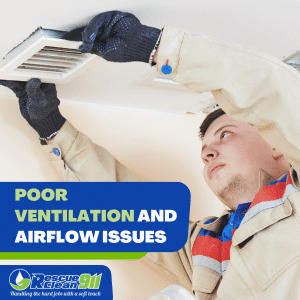 Poor Ventilation and Airflow Issues
Inadequate ventilation restricts airflow through your HVAC system, creating stagnant pockets where moisture accumulates. When air can’t circulate properly, humid areas in your ductwork never get a chance to dry completely.
This moisture problem is exacerbated in poorly designed systems or those with blocked vents, making it time-consuming to address once mold has established itself.
Water Leaks and HVAC Component Failures
Water leaks from damaged condensate drip pans, cracked pipes, or malfunctioning HVAC components introduce additional moisture into your system. Even small water leaks can create persistent dampness that promotes mold growing throughout your ductwork.
These leaks often go unnoticed until visible signs of mold appear around your vents, requiring immediate professional inspection to prevent further spread.
READ: Who Pays for Mold Remediation?
Can Mold in Air Vents Make You Sick?
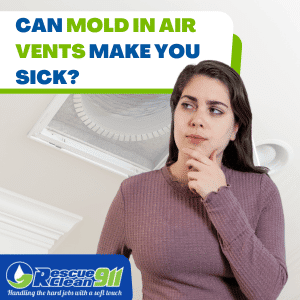 The straightforward answer is yes, mold, especially black mold hiding in air vents, can trigger various health issues. This silent villain can release myriads of microscopic mold spores into the air, which we may inhale without even realizing it.
These spores can trigger a series of allergic reactions, which often start as a series of innocent symptoms like itchy eyes, a runny nose, or difficulty breathing. If you or your family members start experiencing these symptoms without an apparent reason, it could be due to mold spores circulating through your air vents.
Moreover, mold exposure can lead to more serious health problems, especially for individuals with pre-existing respiratory conditions. Issues may include respiratory problems, chronic cough, or wheezing.
In addition, mold exposure can lead to ‘mold sickness,’ which manifests as constant fatigue, headaches, and even brain fog. These symptoms often go undetected, and individuals may not realize that they are sick until the mold problem is addressed.
Therefore, it’s crucial to tackle any mold issue promptly, with special emphasis on black mold, to prevent these health risks.
Professional Mold Testing: When and Why It’s Necessary
When Should You Test for Mold?
If you suspect mold based on any of the warning signs—earthy smell, visible signs around vents, increased allergy symptoms, or unexplained health effects—mold testing becomes essential.
Don’t wait for visible mold growth to appear on surfaces. Air quality tests can detect elevated mold spores in your air long before you see physical evidence.
Professional inspection is particularly important after water leaks, flooding, or when humidity levels have been consistently high.
You can read about our How Long Mold Does Remediation Take? Factors, Processes, and More for more details.
 Types of Mold Testing Available
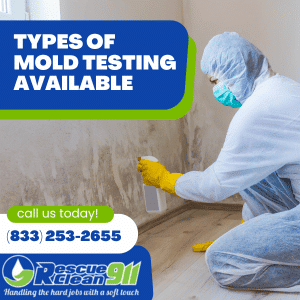
Professional mold testing includes several methods: air sampling to measure mold in your air, surface sampling to analyze visible mold growth, and bulk sampling of materials from your ductwork.
Air quality tests are particularly valuable because they detect airborne spores that may not yet have formed visible colonies.
These comprehensive tests provide data on the mold species present, their concentrations, and the extent of contamination—information that’s time-consuming to gather but essential for effective remediation.
DIY Testing vs. Professional Services
While DIY mold test kits are available, they often provide limited information and can’t compete with the thoroughness of professional inspection. Certified mold inspectors use advanced equipment to perform air quality tests, thermal imaging to detect moisture problems, and can access hard-to-reach areas of your ductwork.
They follow guidelines from professional or government organizations to ensure accurate results. Though professional mold testing may seem like an investment, it saves time and money by accurately identifying the mold area and severity, preventing the time-consuming trial-and-error of inadequate DIY approaches.
 How to Get Rid of Mold in Air Vents
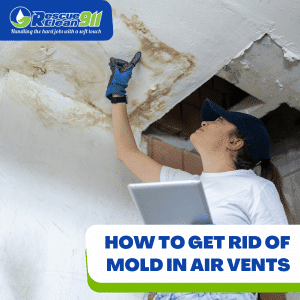
Now, let’s talk about mold removal. While you might be tempted to tackle the mold problem on your own with a bleach solution, it’s important to note that trying to remove mold yourself isn’t recommended. This is because improper handling of mold can inadvertently spread mold spores throughout your home.
Instead, rely on a professional mold remediation service. These experts have the necessary tools and training to safely remove mold from your HVAC system, including the tricky air ducts.
They can also provide advice on preventing future mold growth, which often involves ensuring good ventilation and taking care of any excess moisture sources, like a leaking drip pan.
How to Prevent Mold Growth in Your Air Vents
Controlling mold growth in your HVAC system necessitates a proactive approach. A key strategy involves regular air duct cleaning. This process helps mitigate the risk of mold by ensuring the removal of dust and other particulates, including potentially harmful mold spores, from your air ducts.
Air Duct Cleaning
Air duct cleaning is more than a surface-level task. It involves thorough brushing and vacuuming of the internal surfaces of the ducts, removing dirt and debris that could become a potential food source for mold. As these particulates are removed, mold spores, which could contribute to new mold colonies, are also eliminated.
 Routinely Changing Your Air Filter
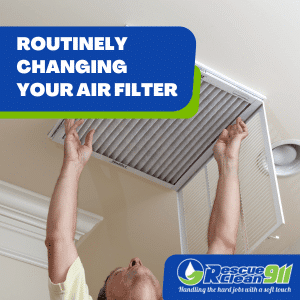
Another component of your HVAC system that requires regular attention is your air filter. A clean air filter effectively captures airborne particles, including mold spores, from circulating within your home.
A dirty or clogged filter, on the other hand, not only diminishes air quality but also becomes a potential haven for mold growth, contributing to a musty smell in your home. Hence, frequent checking and replacing of your air filter is crucial to keep your indoor environment fresh and mold-free.
Keep an Eye on Your Drip Pan
Equally important is the drip pan, a commonly overlooked component of your air conditioner. The drip pan is designed to collect condensation generated by your cooling system.
However, if left unattended or not properly maintained, the drip pan can quickly become a breeding ground for mold due to the consistent presence of water. Regular inspection and cleaning of the drip pan can prevent excess moisture, keeping mold growth at bay.
Quickly Dealing with Water Damage
Furthermore, addressing any issues of water damage promptly and ensuring your home is adequately ventilated can help prevent mold growth. Effective temperature and humidity control can deter mold spores from multiplying. It’s also wise to have regular maintenance checks on your HVAC unit to spot and rectify any conditions that may encourage mold growth.
By taking these preventative measures, you can maintain a healthy HVAC system and a mold-free home, contributing significantly to your overall indoor air quality and the health of those residing in your home.
Closing Thoughts
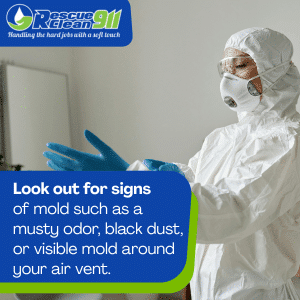 To summarize, dealing with mold in air vents requires vigilance and a proactive approach. Look out for signs of mold such as a musty odor, black dust, or visible mold around your air vent.
Keep in mind that molds, especially toxic variants like black mold, can cause allergy symptoms and other health problems. If you suspect a mold problem, don’t hesitate to call a professional mold remediation service to ensure a thorough and safe mold removal process.
Don’t overlook regular maintenance of your HVAC system. This includes regular cleaning of your air ducts, replacing your air filter, and ensuring your drip pan is in good condition.
In the long run, these actions can save you from costly repairs and potential health issues related to mold exposure.
Remember, a clean and well-maintained air vent isn’t just about aesthetics. It’s about preserving the health and safety of everyone in your home.
Professional Mold Remediation and Removal in South Florida from Rescue Clean 911
Acting swiftly against mold is vital to safeguard your residential or commercial space. If you are looking for a mold remediation service in South Florida, trust the expertise of Rescue Clean 911.
As a licensed, bonded, and insured mold removal company, we provide not only services you can count on but also a sense of security knowing you’re in good hands.
Our mold removal services ensure a thorough and safe removal process, carried out by professionals trained to tackle mold issues with the utmost precision.
From securing the affected site to assessing indoor air quality post-removal, Rescue Clean 911 stands as your reliable partner for top-tier mold remediation services. If you suspect a potential mold problem, don’t hesitate to reach out.
Besides mold remediation, we also offer an array of other services to fully restore your space. These include water damage restoration, air duct cleaning, and more.
Equipped with advanced tools and industry knowledge, we’re prepared to return your home or commercial building to its original state following severe mold growth, water, or fire damage.
As a comprehensive remediation and restoration company, we pride ourselves on delivering exceptional customer service.